
Seattle travel tips for your next adventure

Seattle travel tips are especially useful if you are heading to the Pacific Northwest for the 2026 most important soccer event and want to enjoy the city beyond the stadium atmosphere. Between waterfront views, creative neighborhoods, local coffee, mountain scenery, and easy airport connections, Seattle gives travelers a mix of urban energy and outdoor adventure in one trip.
This Seattle travel guide will help you understand how to pack, move around, choose neighborhoods, plan day trips, and prepare for a city where weather, transit, and local culture all shape the experience.
If you are traveling for a soccer event, compare dates early and review baggage needs before booking. Demand can rise around major travel periods, so soccer flights may require more advance planning than a regular weekend getaway.

What to pack for Seattle weather
Seattle’s rainy reputation is real, but the city is not usually about heavy downpours all day. Most visitors deal with light rain, mist, cloudy mornings, and changing temperatures, which means layers are more useful than bulky clothing.
For practical rain gear, pack:
A lightweight waterproof jacket with a hood.
Comfortable waterproof walking shoes.
Moisture-wicking shirts or base layers.
A light sweater or fleece for cooler mornings.
Quick-dry pants or travel-friendly jeans.
Sunglasses and sunscreen for clear summer days.
A small backpack for layers, snacks, and a reusable water bottle.
Locals often skip umbrellas because wind and drizzle make hooded jackets more convenient. If you are visiting in June, July, or August, expect more sunshine than many travelers imagine, but still bring a light outer layer for evenings near the water.
Getting around Seattle without stress
What to know before visiting Seattle is that you may not need to rent a car if your plans focus on the city. Public transportation, walking, rideshare, and ferries can cover many key areas, especially if you are staying near downtown, Capitol Hill, South Lake Union, or the waterfront.
Seattle transit options include:
Link Light Rail: A convenient way to travel between Seattle-Tacoma International Airport, downtown, Capitol Hill, the University District, and other areas.
Ferries: A scenic way to experience Puget Sound, with routes that connect Seattle to nearby destinations such as Bainbridge Island.
King County Metro buses: Useful for reaching neighborhoods and areas not directly served by light rail.
Seattle Streetcar: Helpful for short trips in specific central areas.
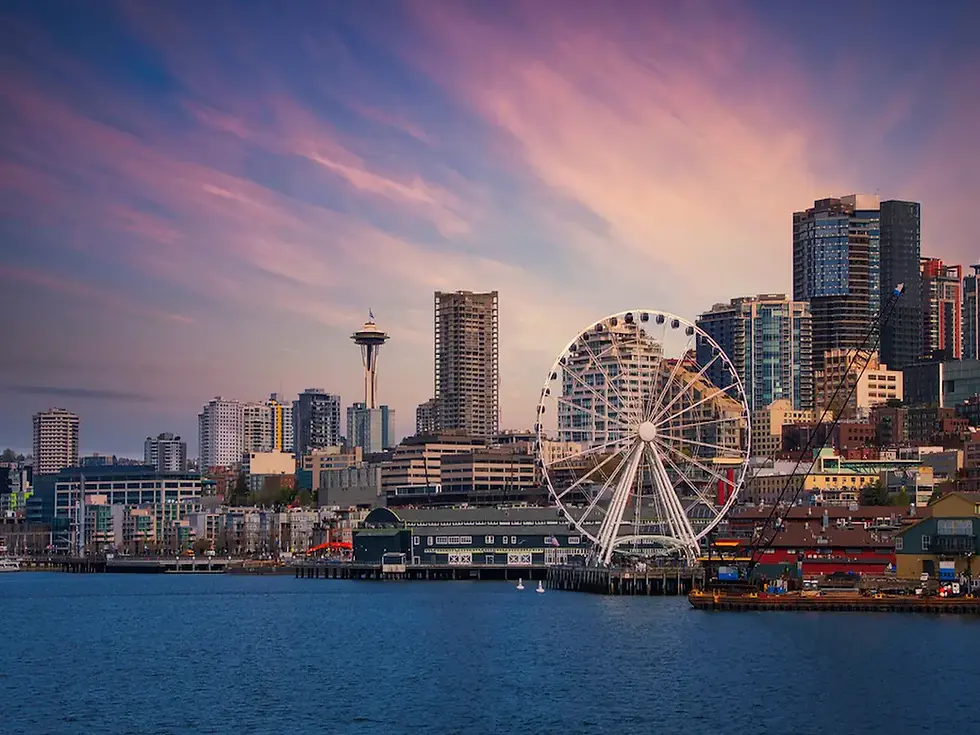
Monorail: A quick connection between downtown and Seattle Center, where you can visit attractions near the Space Needle.
Seattle advice for tourists is to check routes before you leave, especially at night or when traveling to event areas. Transit can be efficient, but Seattle’s hills, bridges, and water crossings can make short distances feel longer than expected.
Neighborhoods to explore in Seattle
Seattle neighborhoods each offer a different version of the city. Some are known for nightlife, others for food, markets, waterfront views, or local character. These Seattle first time tips can help you choose where to spend your time.
Capitol Hill
Capitol Hill is one of Seattle’s best neighborhoods for nightlife, coffee shops, restaurants, indie stores, and LGBTQ+ culture. It is a strong choice if you want energy, music venues, bars, and an easy connection to downtown through Link Light Rail.
During the day, you can explore cafés, bookstores, and Volunteer Park. At night, the area becomes one of the city’s most active districts for dining and entertainment.
Pike Place
Pike Place is the classic Seattle stop for first-time visitors. The market area is known for seafood vendors, flower stalls, local shops, waterfront views, and quick access to downtown attractions.
Go early if you want fewer crowds, especially during summer or major event dates. It is also a good place to try casual bites, shop for local products, and take photos with views of Elliott Bay.
Ballard
Ballard has a maritime feel, a strong food scene, craft breweries, independent shops, and a slower pace than downtown. It is a great neighborhood for travelers who want a more local experience.
Visit Ballard Avenue for restaurants and boutiques, then consider adding the Ballard Locks if you want to see boats, gardens, and a different side of Seattle’s waterfront identity.
Seattle coffee culture
Coffee is part of Seattle’s personality. The city helped shape modern coffee culture, but the best experience goes beyond famous names and tourist stops. Independent cafés, small roasters, and neighborhood coffee shops are part of daily life here.
Capitol Hill is one of the easiest areas for a coffee-focused walk because it has several respected cafés close together. Pike Place also has historic and scenic coffee stops, while neighborhoods like Fremont, Ballard, and the University District offer more relaxed local options.
A good approach is to skip the rush, sit for a while, and treat coffee as part of the travel experience rather than just a quick caffeine stop. Many cafés also serve pastries, breakfast items, or light meals, making them useful breaks between sightseeing plans.

Food, markets, and local flavors
Seattle’s food scene is closely connected to the water, nearby farms, and global influences. Seafood is a highlight, especially salmon, oysters, chowder, crab, and casual fish-and-chips spots near the waterfront.
For a balanced food itinerary, consider:
Trying seafood near the waterfront or Pike Place.
Booking one dinner at a neighborhood restaurant.
Visiting a bakery or café for breakfast.
Exploring Asian food in the Chinatown-International District.
Looking for casual breweries or cider spots in Ballard.
Leaving time for market snacks instead of planning every meal.
Tips for visiting Seattle include making reservations for popular restaurants during weekends, summer dates, and major sports travel periods. If you prefer casual meals, food halls, markets, cafés, and brewery kitchens can keep your schedule flexible.
Day trips from Seattle
Seattle is surrounded by water, forests, mountains, and national parks. If you have extra time, a day trip can add a completely different experience to your itinerary.
Mt. Rainier
Mt. Rainier is one of the most iconic day trips from Seattle. The mountain, forests, wildflower areas, and scenic viewpoints make it a strong option for travelers who want nature without adding a separate overnight stay.
Start early, especially in summer, because parking and entrance lines can take time. Weather can also change quickly, so bring layers, water, snacks, and shoes that can handle trails or wet ground.
Olympic
Olympic National Park is more complex than Mt. Rainier because it covers a larger and more spread-out area. It includes forests, mountains, lakes, and coastal scenery, but reaching the best areas can take several hours from Seattle.
If you only have one day, choose one focused area instead of trying to see the whole park. If you have more time, an overnight stay can make the trip feel more relaxed and rewarding.
Volaris flights to SEA
Volaris offers options for travelers planning flights to Seattle, with arrivals at Seattle-Tacoma International Airport, also known as SEA. This airport is the main gateway for the region and connects travelers to downtown Seattle by Link Light Rail, rideshare, taxis, shuttles, and rental cars.
Smart planning for a smooth trip
Seattle visitor tips often come down to timing and flexibility. The city is easy to enjoy when you plan around weather, transit, neighborhoods, and the pace of your group.
Before you go, remember to:
Check the weather forecast close to your travel date
Book popular restaurants in advance
Leave extra time for airport transfers and event transportation
Use transit when staying in central areas
Reserve a car only for day trips or hard-to-reach places
Plan indoor alternatives in case rain changes your schedule
Keep your itinerary realistic, especially if you are combining sports, sightseeing, and nature
Seattle works best when you do not overpack the day. Choose one main area, add a food or coffee stop, and leave room for views, ferry rides, or spontaneous discoveries.
FAQs about traveling to Seattle
How much does a flight ticket to Seattle usually cost?
The cost of a flight ticket to Seattle depends on your departure city, travel dates, baggage selection, seat options, and how early you book. For June, July, or other high-demand periods in 2026, it is best to compare prices in advance and check whether flying a day earlier or later gives you a better fare.
Is Seattle expensive for travelers?
Seattle can be a higher-cost U.S. city, especially for hotels, dining, and summer travel. To manage your budget, use public transit, mix casual meals with one or two special restaurants, stay near the areas you plan to visit most, and book accommodations before peak dates fill up.
How many days should I spend in Seattle?
Three days can be enough for first-time visitors who want to see Pike Place, Capitol Hill, the waterfront, coffee shops, and one or two museums or attractions. Add a fourth or fifth day if you want a ferry ride, Ballard, and a day trip to Mt. Rainier or the Olympic Peninsula.
Make the most of your Seattle trip
Seattle travel tips can help you turn a busy sports-focused visit into a richer Pacific Northwest experience. Pack for changing weather, use transit wisely, explore Capitol Hill, Pike Place, and Ballard, make time for local coffee, and consider a day trip if your schedule allows. With Volaris flights to SEA and thoughtful planning, Seattle can be more than a match destination—it can be one of the most memorable stops of your 2026 travel plans.







Comments